Projects with Purpose
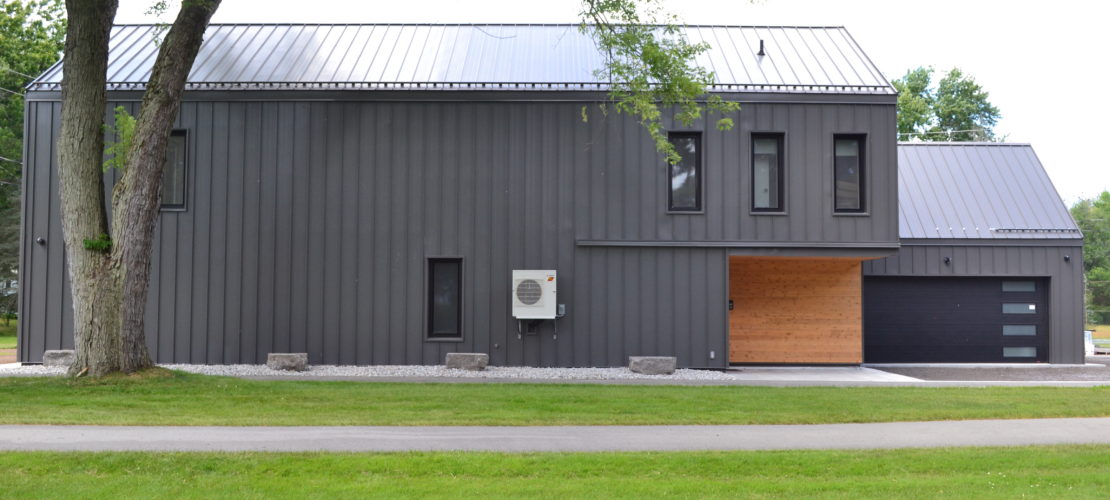
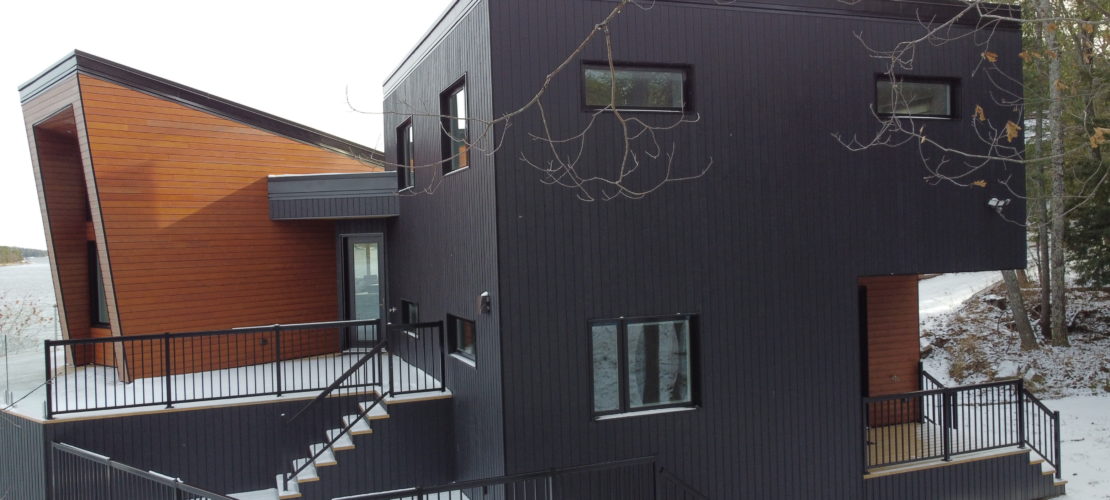
We design buildings that are beautiful, high-performing, and built to last — homes for families,
and homes for communities that need them most.
About the Practice
ph43 Architecture Ltd. is a Toronto-based architecture practice with a singular focus: sustainable, high-performance building design rooted in the Passive House standard.
Founded by Craig J. England, OAA, LEED AP, Certified Passive House Designer (CPHD), ph43 brings together deep technical expertise in energy modelling, building envelope design, and carbon analysis with a genuine commitment to the communities we work in. Every project — whether a custom family home in cottage country or a purpose-built shelter for survivors of gender-based violence —is approached with the same rigour and care.
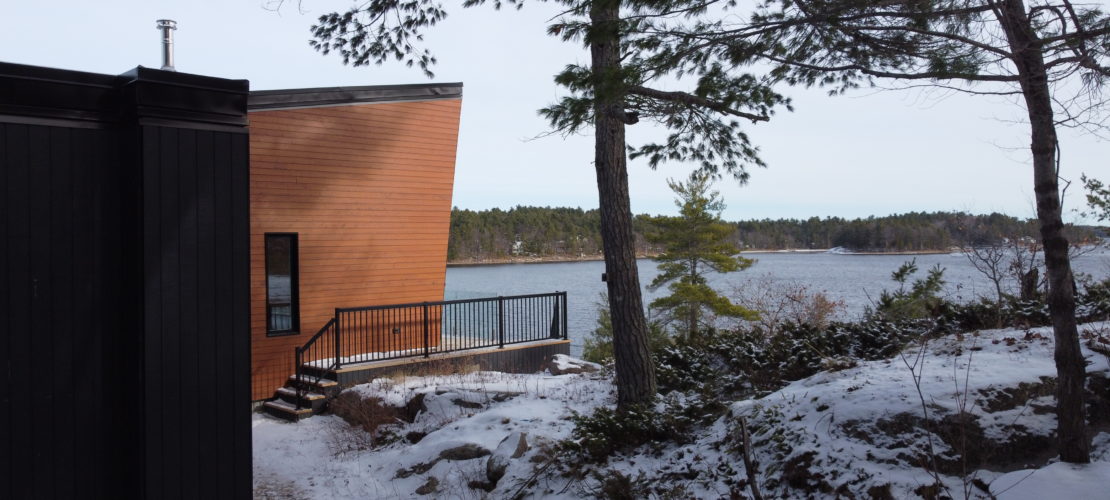
We work across Ontario, from Toronto and the GTA to Muskoka, Parry Sound, Gravenhurst, and beyond.
What We Do
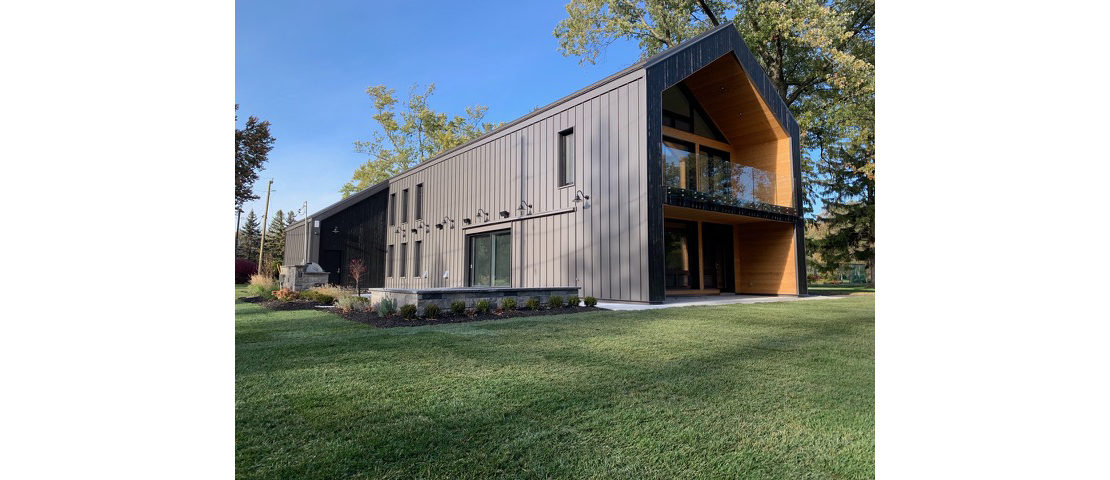
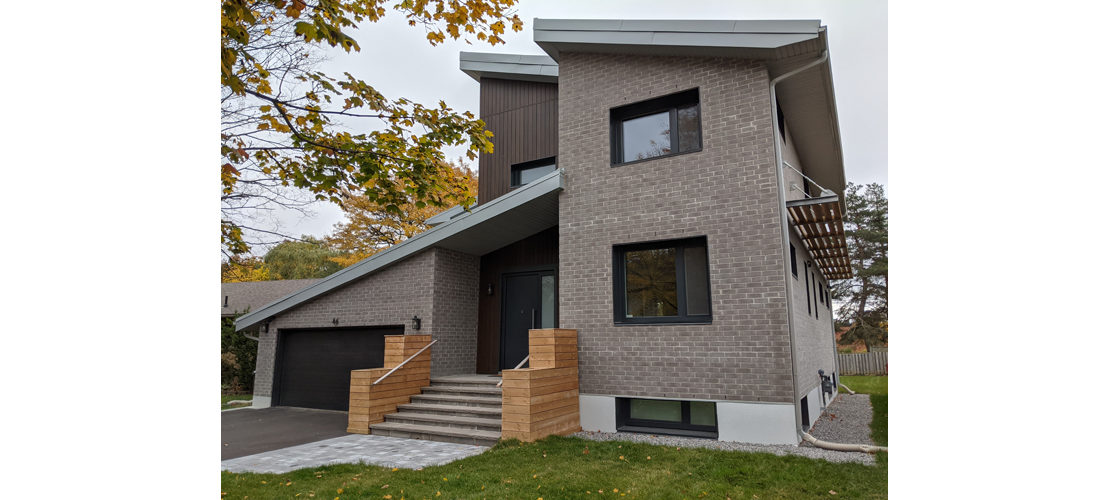
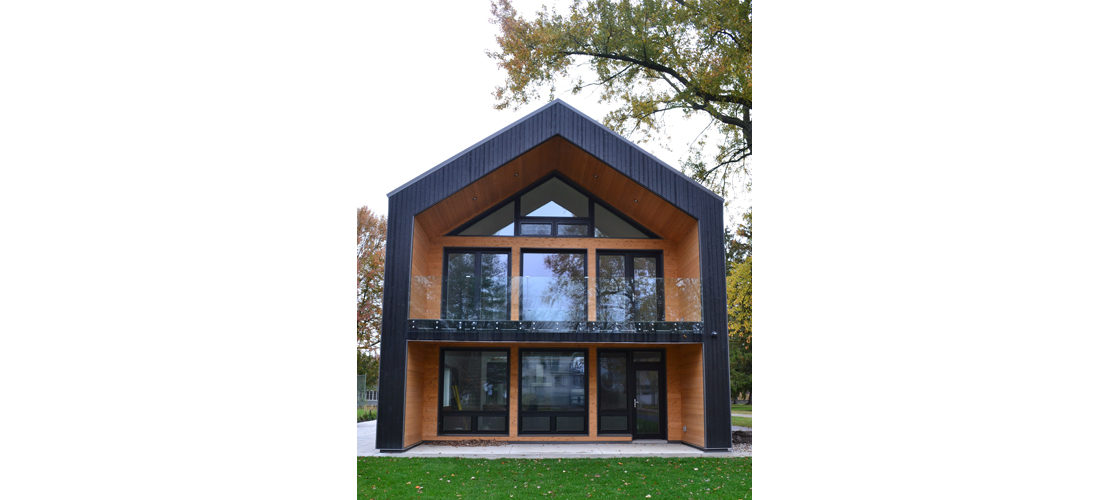
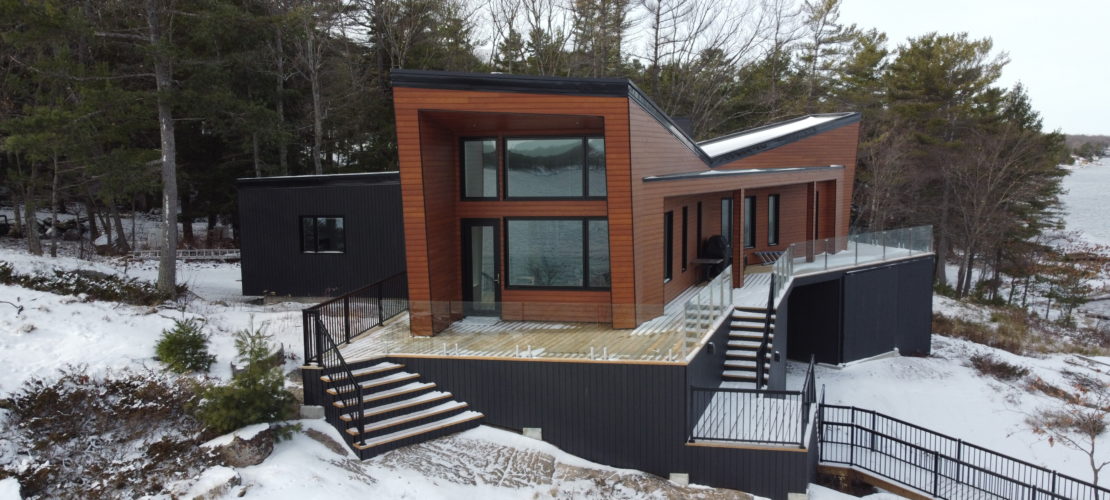
• Custom residential design – Passive House certified and high-performance homes for families across Ontario
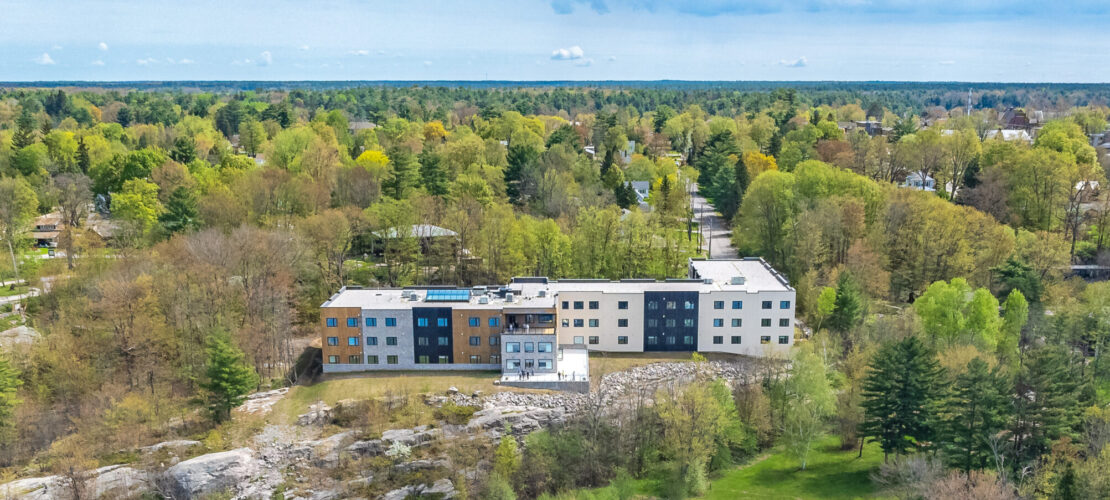
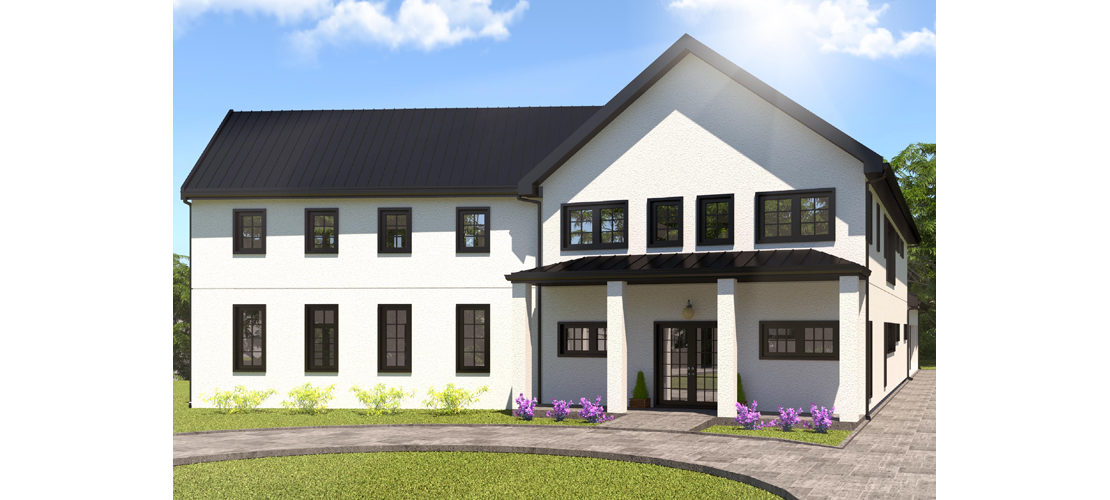
• Multi-unit residential – purpose-built affordable and market housing designed to meet NECB Tier 2+ and Passive House Classic standards
• Seniors housing – accessible, healthy, low-energy retirement and long-term care facilities
• Stock plans – pre-engineered Passive House home designs available for purchase and customization
• Community and shelter housing — sensitive, trauma-informed design for gender-based violence shelters, transitional housing, and supportive living
• PHPP energy modelling and Passive House consulting – available to other architects and developers
Why Passive House?
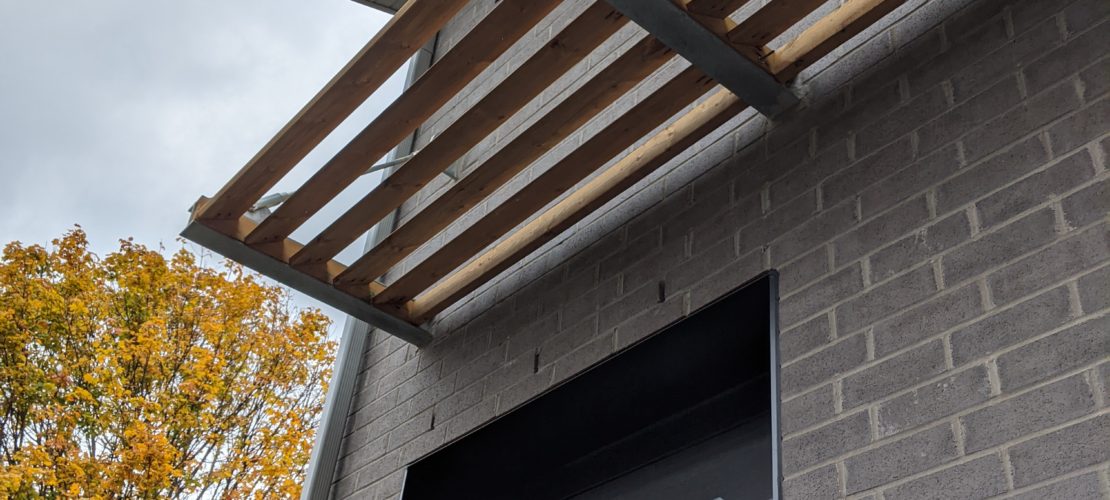
Passive House is the most stringent and proven energy performance standard available. Buildings designed to Passive House Classic use up to 90% less energy for heating and cooling than code-built equivalents — not through solar panels or mechanical complexity, but through the fundamental discipline of the building envelope: exceptional insulation, airtight construction, thermal bridge-free details, and continuous fresh air through heat recovery ventilation.
In Ontario’s cold climate, this translates to buildings that are warmer in winter, cooler in summer, quieter, healthier, and dramatically less expensive to operate — for the lifetime of the building.
For community housing, this matters even more. When operational costs are minimized and indoor air quality is optimized, buildings serve their residents better, and operators can direct resources toward people rather than energy bills.
Our Commitment
We believe the building sector has a responsibility to address climate change — not as a branding exercise, but as a professional obligation. Carbon, GHG emissions, and embodied carbon are central to how we evaluate every design decision we make. We track it, model it, and report it.
If you’re planning a home, a multi-unit project, or a community facility in Ontario and want to build it right — we’d like to hear from you.